
Why is a ceramic container considered “food safe” or not? As a practitioner in the art of tableware, I must be beyond reproach on this matter. This is even more crucial when I teach glazing techniques to aspiring professionals.
Unfortunately, the regulations imposed on us are the same as those for industrial production, with no adaptation for an artisanal workshop.
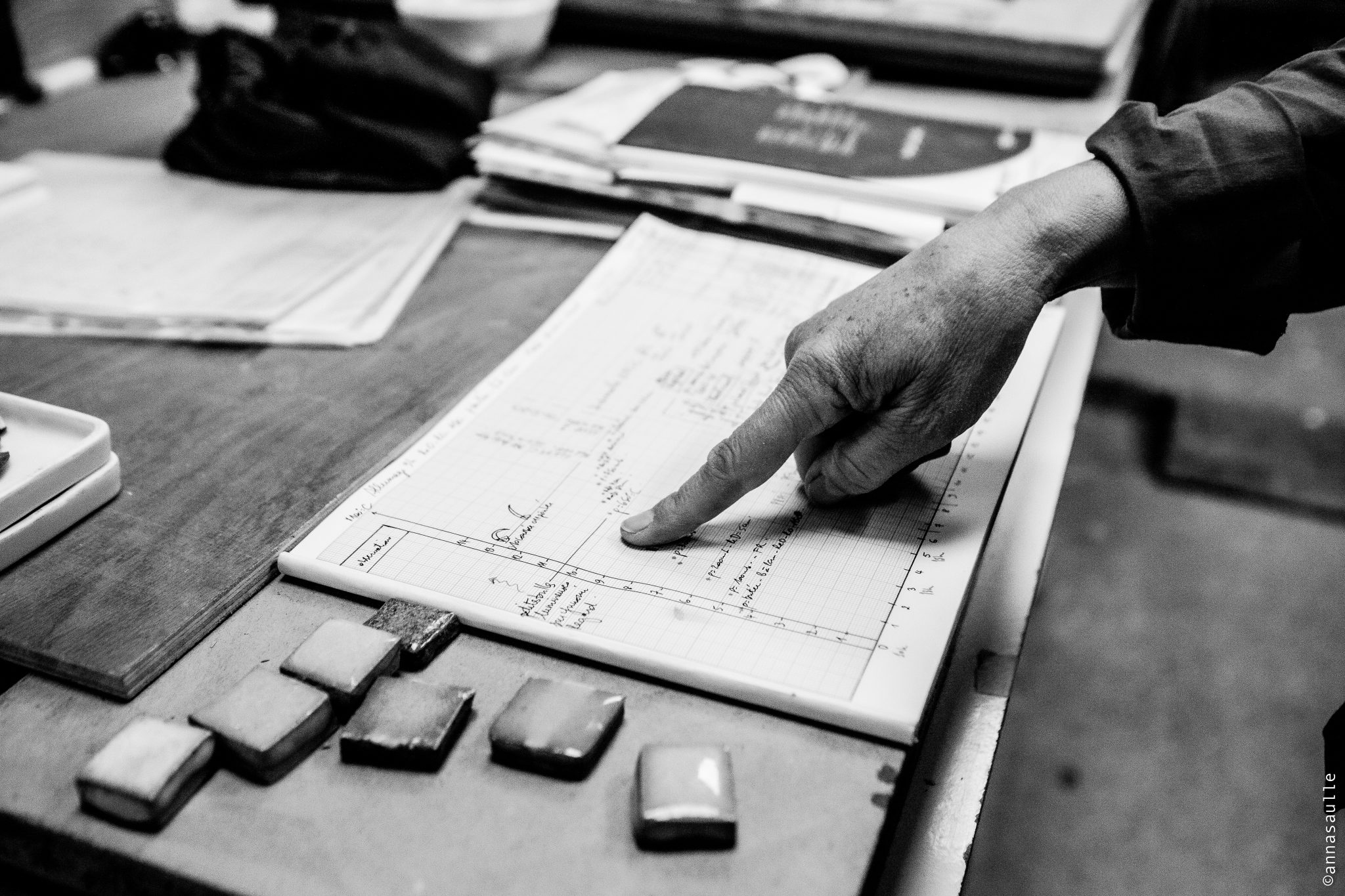
For my part, I have always worked conscientiously and scientifically. All my pieces are coated with glazes of my own composition that adhere to the rules of molar proportions between the various natural components.
I’ll tell you about the thousands of experiments from time to time.
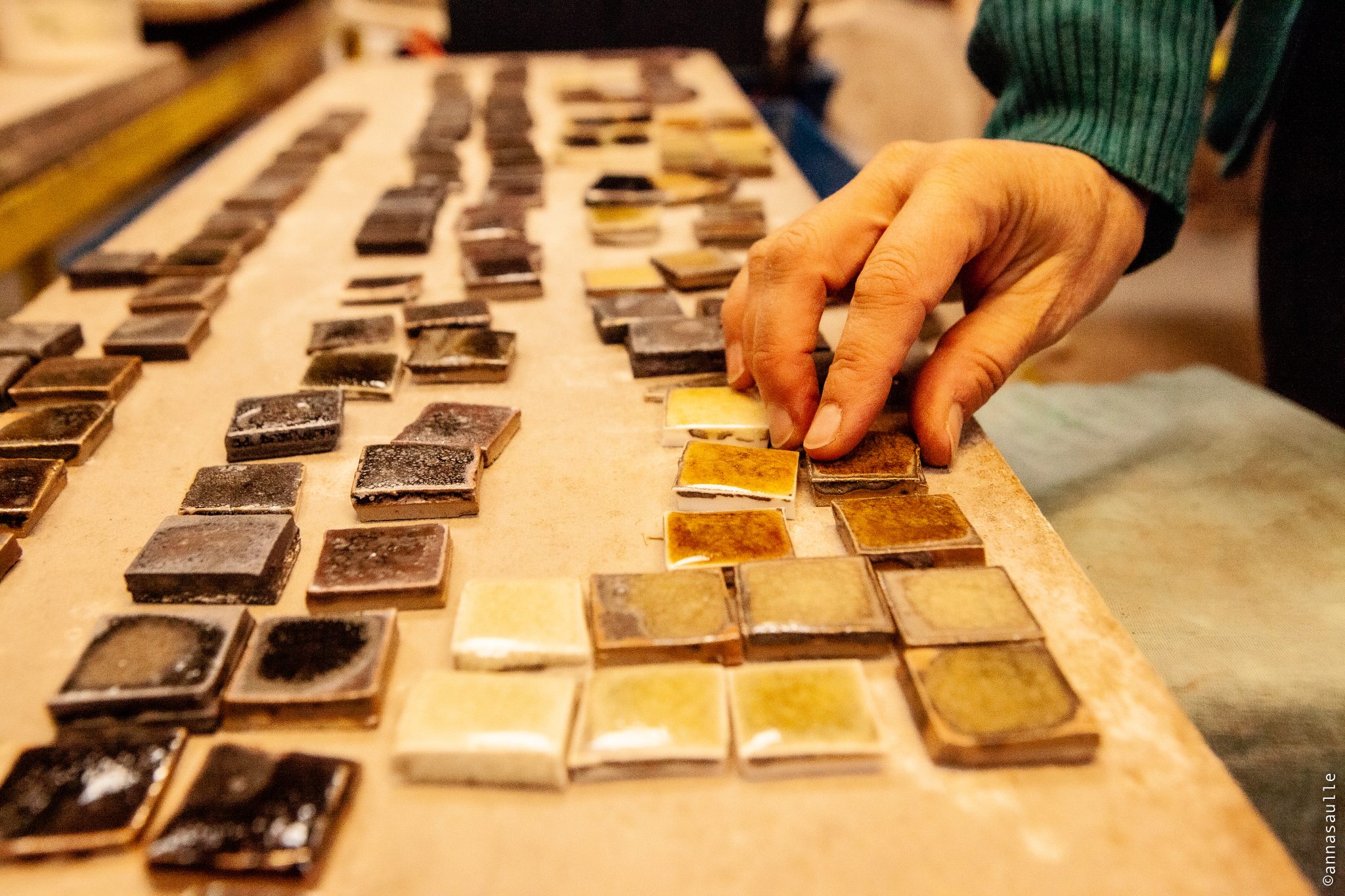
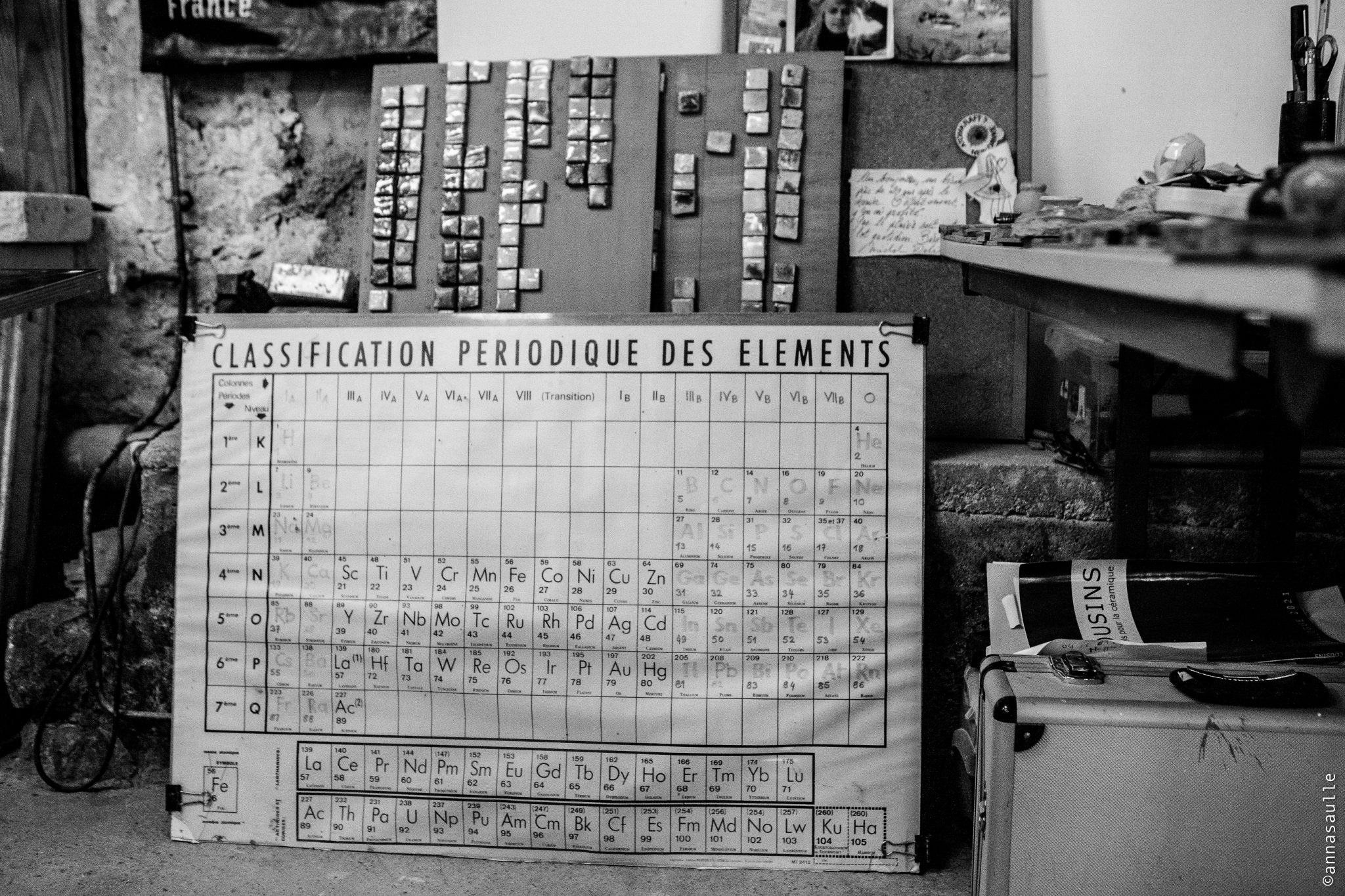
Thus, no element is soluble in food-grade acids and bases. Therefore, there is no risk of absorption by the user.
Some raw materials can be harmful if not used correctly. Simply put, all components must be intimately bound to the silica after firing. You can imagine a large silica network (like a large fishing net), within the meshes of which the other components must be trapped. This prevents them from being released upon contact with acids and bases found in foods such as milk, vinaigrette, beverages, etc.
To achieve this, molar proportions between the different oxides present must be respected (simplified, for the initiated: basic oxides: 1; alumina: 0.05 to 0.5; silica: 2 to 6 for firing above 1260°C).
I’ll stop the technical discussion here, but feel free to ask me for more information!
In parallel, ceramic dinnerware containing lead, cadmium, uranium, etc., is freely available on the French market.
Why? Because imported products (among others) are not subject to the same rules as we, French artisans, are. That’s a fact.
And I’m not even talking about plastic containers, etc. … this paragraph would become a three-volume book of useless anger!
An absurd world, yet so beautiful at the same time…